Unlock Authentic Thai Flavors with Accessible Ingredients
There's an undeniable magic in Thai cuisine – a symphony of spicy, sweet, sour, and savory notes that captivates the palate. At the heart of many beloved dishes lies the vibrant, complex, and utterly essential red curry paste. While store-bought versions offer convenience, they often fall short in freshness, depth, and the intricate balance of flavors found in a truly authentic blend. But what if you could create a rich, aromatic, and easy Thai red curry paste right in your own kitchen, using ingredients readily available at your local North American grocery store?
For many home cooks, the pursuit of authentic international flavors can be a journey filled with both excitement and a few speed bumps. Specialty ingredients, often crucial to traditional recipes, might be out of reach, especially for those of us living far from bustling Asian markets. This challenge is precisely what inspired the creation of this recipe: a meticulously tested and tweaked approach to making Thai red curry paste that honours traditional taste profiles while embracing modern accessibility. Say goodbye to long drives for obscure spices and hello to crafting a bold, flavorful paste that surpasses any jarred alternative, often in just 10 minutes!
The Quest for Authentic Flavor, Made Accessible
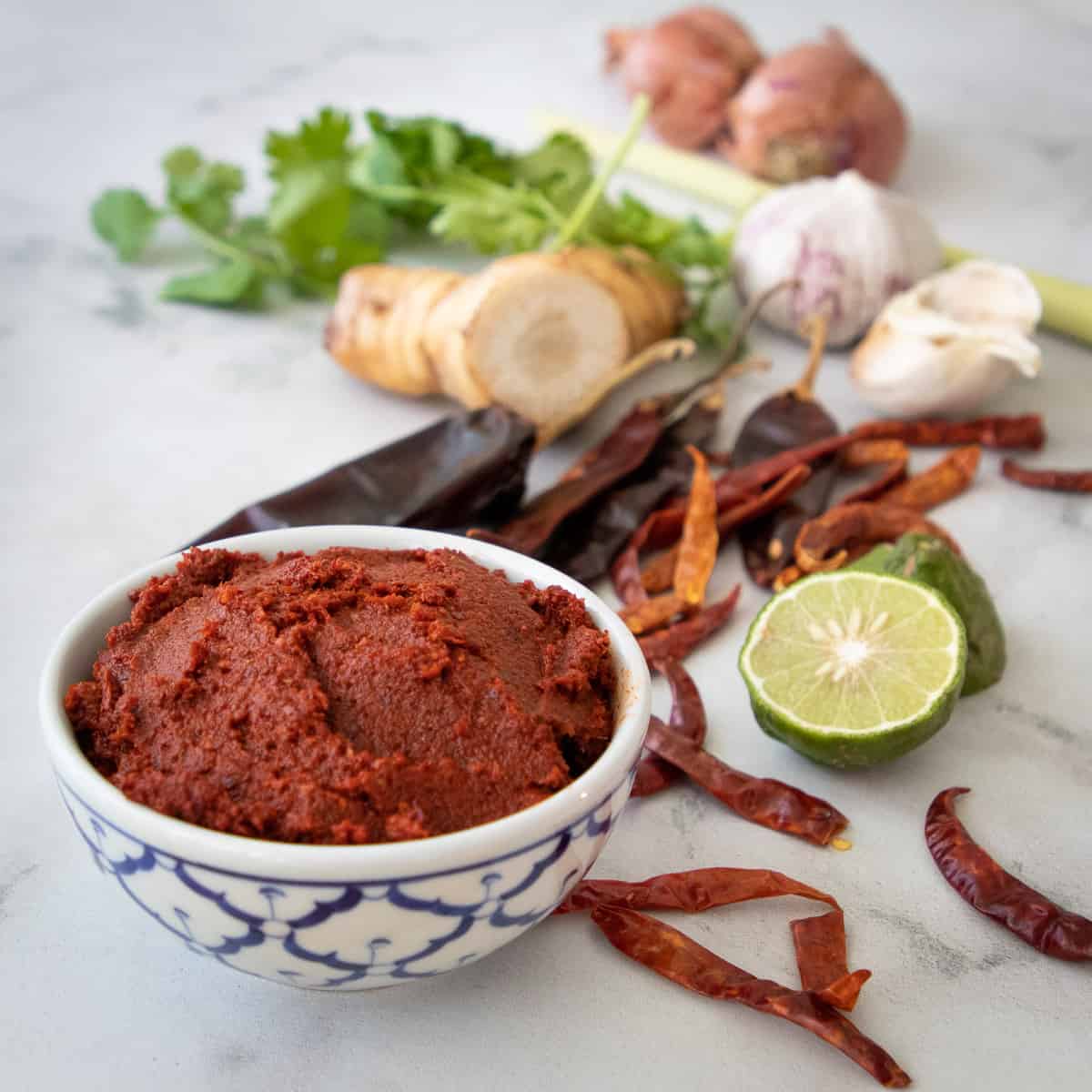
Authentic Thai red curry paste, known as prik gaeng ped in Thailand, is a complex mixture of fresh herbs, roots, and dried spices. Traditionally, ingredients like galangal (a relative of ginger with a distinct peppery, citrusy profile), makrut lime zest (from a unique bumpy lime), and fermented shrimp paste are pounded into a fine paste using a mortar and pestle. These components are vital for developing the deep, aromatic foundation of Thai curries, soups, and stir-fries.
However, the reality for many in North America is that these items can be difficult, if not impossible, to source locally. The good news? You don't have to compromise on incredible flavor. Through careful substitution and a deep understanding of the flavor profiles these ingredients contribute, we can achieve a remarkably similar and delicious result. This approach allows you to confidently create an easy Thai red curry paste that will transport your taste buds straight to the streets of Bangkok, all from your everyday supermarket.
Why Homemade Trumps Store-Bought Every Time
Once you experience the superiority of homemade Thai red curry paste, you'll likely never look back at the packaged versions. The difference is truly transformative:
- Unmatched Freshness and Flavor: Homemade paste bursts with vibrant aromas and a complexity that jarred versions simply cannot replicate. Freshly ground spices and herbs release their essential oils, contributing a depth of flavor that diminishes over time in pre-made products.
- Healthier Choices: Commercial curry pastes often contain preservatives, excessive sodium, and sometimes artificial colors or flavors. When you make it yourself, you have complete control over every ingredient, ensuring a healthier and purer product. This focus on wholesome ingredients is central to why homemade Thai red curry paste is tastier and healthier than store-bought.
- Customization is King: Love a little extra heat? Prefer less salt? With homemade paste, you can easily adjust the spiciness, saltiness, and proportions of herbs to suit your personal preferences. This level of customization is impossible with pre-packaged options.
- Cost-Effective: While the initial purchase of a few dried chilies and fresh aromatics might seem like an outlay, the cost per serving of homemade paste is often significantly lower than buying premium jarred pastes.
- The Joy of Creation: There's immense satisfaction in preparing something from scratch. Mastering a fundamental component like curry paste elevates your cooking skills and deepens your appreciation for Thai cuisine.
Unveiling the Essential Ingredients (and Their Clever Substitutes)
The secret to a great easy Thai red curry paste lies in a thoughtful combination of key ingredients. Here's a breakdown of what you'll need, along with the brilliant North American grocery store substitutes that make this recipe possible:
- Dried Red Chilies: These are the backbone of the "red" in red curry paste.
- Chili de Arbol: Small, fiery, and perfect for delivering heat. Adjust the quantity based on your preferred spice level.
- Guajillo Chili Peppers: Larger, milder, and contribute a beautiful deep red color and earthy flavor without overwhelming spice. These beautifully stand in for traditional Thai prik yuak chilies, which can be hard to find.
- Lemongrass: Fresh lemongrass is paramount for its bright, citrusy, and slightly gingery notes. Look for firm, fragrant stalks. While lemongrass paste is an option in a pinch, fresh delivers far superior flavor.
- Shallots: Milder and sweeter than onions, shallots provide a delicate aromatic foundation.
- Garlic Cloves: Essential for a pungent, savory kick.
- Ginger (Substitute for Galangal): Galangal offers a unique peppery, citrusy, and slightly piney flavor. Fresh ginger is an excellent and readily available substitute, providing similar warmth and pungency, albeit with a slightly different citrus profile. Don't skip it!
- Limes (Substitute for Makrut Limes): Makrut limes (also known as kaffir limes) are treasured for their intensely aromatic zest. While challenging to find, standard limes offer a good substitute. Use both the zest and a squeeze of juice for that bright, tangy counterpoint.
- Fish Sauce (Substitute for Fermented Shrimp Paste): Fish sauce is a staple in Thai cooking, providing a salty, umami depth that mimics the role of traditional fermented shrimp paste. For vegetarian or vegan versions, you can omit it and increase the salt, or use a vegetarian "fish sauce" alternative or soy sauce/tamari.
- Cilantro Stems: Don't discard these! The stems hold immense flavor and fragrance, often more potent than the leaves. They add a fresh, herbaceous note.
- Sea Salt and Whole Black Peppercorns: Fundamental seasonings that enhance all the other flavors.
The Art of Balancing Flavors
Crafting this easy Thai red curry paste is an exercise in balancing the five fundamental tastes of Thai cuisine. The chilies bring the heat, lemongrass and lime provide acidity and brightness, shallots and garlic offer savory depth, and fish sauce delivers essential umami. The interplay of these elements creates a harmonious and incredibly flavorful base for countless dishes. Don't be afraid to taste and adjust—this is your creation!
The 10-Minute Secret: Mortar & Pestle vs. Food Processor
Traditionally, Thai red curry paste would be made with significant effort using a heavy mortar and pestle. This method meticulously bruises and breaks down the fibers of the ingredients, releasing their essential oils and creating a very fine, deeply aromatic paste. While incredibly rewarding and still the gold standard for some purists, it's also time-consuming.
For the modern home cook seeking an easy Thai red curry paste, the food processor is your best friend. It accomplishes the task efficiently, typically in just about 10 minutes, making homemade curry paste entirely practical for a weeknight meal.
Making it in a Food Processor:
- Prep Your Ingredients: Begin by rehydrating your dried chilies in hot water for about 15-20 minutes until softened. Drain them well. Roughly chop the lemongrass (tender inner parts), shallots, garlic, ginger, and cilantro stems.
- Combine and Blend: Add all prepared ingredients, including the rehydrated chilies, lime zest, fish sauce, sea salt, and black peppercorns, to your food processor.
- Process Until Smooth: Pulse the mixture, scraping down the sides as needed, until a coarse or smooth paste forms, depending on your desired texture. If it's too thick to blend, add a tiny splash of water or oil (no more than a tablespoon) to help it along. Avoid over-processing, as you still want to retain some texture and freshness.
Storing Your Homemade Masterpiece
One of the fantastic benefits of making a batch of
Staff Writer & Easy Thai Red Curry Paste Specialist Kyle is a contributing writer at Easy Thai Red Curry Paste with a focus on Easy Thai Red Curry Paste. Through in-depth research and expert analysis, Kyle delivers informative content to help readers stay informed.
Kyle Foster
