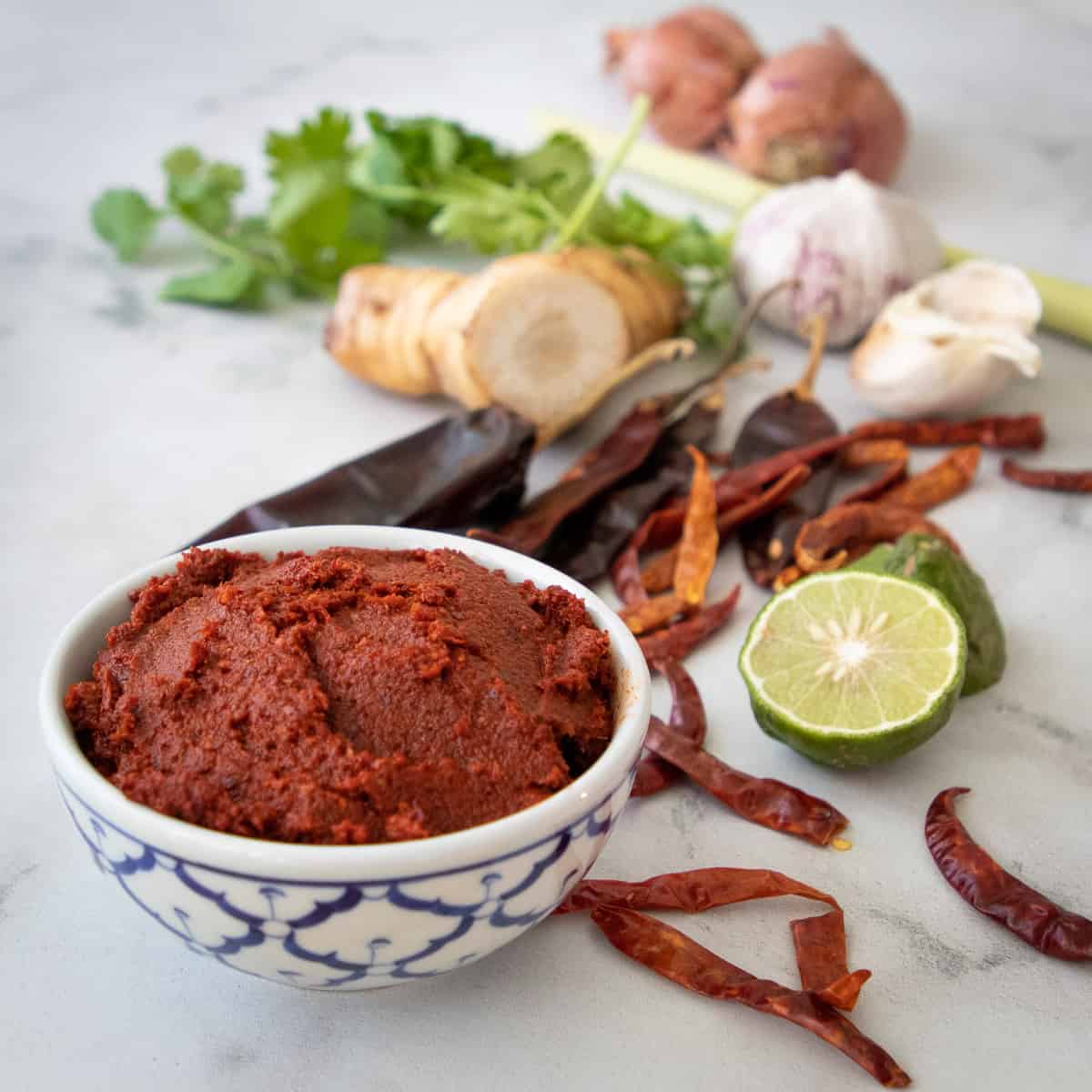
Homemade Thai Red Curry Paste: Tastier & Healthier Than Store-Bought
Imagine infusing your kitchen with the vibrant aromas of Thailand – the fragrant lemongrass, the pungent garlic, the fiery chilies. For many, this dream begins and ends with a jar of store-bought curry paste, a convenient but often underwhelming shortcut. But what if we told you that crafting your own easy Thai red curry paste at home is not only achievable but results in a dish that’s infinitely tastier, healthier, and bursting with a freshness you simply can't find in a package? It’s true! Ditching the jar for a homemade blend transforms your Thai cooking from good to extraordinary, unlocking a depth of flavor that will make you wonder why you ever settled for less. This comprehensive guide will empower you to create a magnificent red curry paste, balancing authentic Thai flavors with ingredients readily available at your local grocery store.Why Homemade Thai Red Curry Paste Reigns Supreme
The difference between a store-bought curry paste and one made from scratch is like night and day. Jarred pastes, while convenient, often contain stabilizers, excessive salt, and sometimes even artificial flavors to prolong shelf life. The result? A muted, sometimes metallic taste that pales in comparison to the vibrant, complex profile of a freshly prepared paste. When you make your own easy Thai red curry paste, you gain complete control over every ingredient. This means:- Unrivaled Freshness: Every herb and spice contributes its peak aroma and flavor, creating a truly dynamic paste.
- Healthier Choices: You dictate the amount of salt and oil, avoiding unnecessary additives and preservatives common in commercial products.
- Customizable Heat & Flavor: Adjust the chilies to your preferred spice level, from a gentle warmth to an intense kick. You can also tweak other ingredients to suit your palate perfectly.
- Dietary Adaptability: Easily make vegetarian or vegan versions by omitting fish sauce or shrimp paste and substituting with plant-based alternatives, like a dash of tamari or a savory mushroom powder for umami.
Bridging the Gap: Authentic Flavors with Accessible Ingredients
For those of us living outside of Thailand or major metropolitan areas, sourcing truly authentic Thai ingredients can be a significant hurdle. Exotic items like fresh galangal, makrut (kaffir) limes, or fermented shrimp paste are often elusive, requiring specialty trips or online orders. This challenge is precisely what inspired the development of this particular easy Thai red curry paste recipe. Drawing inspiration from cooks who, like many, navigate the limitations of a typical North American grocery store, this recipe brilliantly marries the soul of Thai cuisine with readily available alternatives. The goal isn't to compromise authenticity but to ingeniously recreate similar flavor profiles using more common ingredients. For example, while traditional recipes call for galangal, a root with a sharp, piney, and citrusy flavor, we can achieve a close approximation of its aromatic depth using fresh ginger. Similarly, makrut limes, prized for their distinct floral aroma, can be substituted with standard limes, providing a tangy brightness that, while different, still contributes beautifully to the paste’s complexity. This approach ensures that everyone, regardless of their proximity to an Asian market, can experience the joy of making a truly delicious homemade Thai red curry paste.Essential Ingredients and Smart Substitutions for Your Easy Thai Red Curry Paste
Crafting your paste begins with understanding the core ingredients and how clever substitutions can bring the essence of Thailand to your kitchen.The Foundation:
- Shallots & Garlic: These aromatic powerhouses form the savory backbone of the paste. Use fresh, plump cloves and small, sweet shallots for the best flavor.
- Lemongrass: Fresh lemongrass is paramount. Look for firm, fragrant stalks. Remove the tough outer layers and finely chop the tender inner core. If fresh is truly unavailable, a good quality lemongrass paste can be a fallback, but fresh is always superior for its vibrant aroma.
- Cilantro Stems: Don’t discard those cilantro stems! They carry an intense flavor profile that adds depth and a fresh, herbaceous note to the paste.
- Sea Salt & Whole Black Peppercorns: Essential for seasoning and adding a subtle pungency that balances the other flavors.
The Chilies: Color, Heat, and Depth:
The characteristic red color and heat of the paste come from dried red chilies. You have control over the intensity:
- Chili de Arbol: These are your primary source of heat. Adjust the quantity according to your preference. For a mild paste, use fewer; for a fiery one, be generous. Remember to remove seeds for less heat, but keep some for more authenticity and texture.
- Guajillo Chili Peppers: These larger, milder chilies contribute a beautiful deep red color and a rich, fruity flavor without adding excessive heat. If you happen to find prik yuak chilies (Thai long chilies), they are an excellent authentic option. Soaking dried chilies in hot water before processing rehydrates them, making them easier to blend and releasing their full flavor.
Clever Substitutions for Authentic Flavor:
- Ginger (instead of Galangal): While galangal has a unique sharp, citrusy, and slightly piney flavor, fresh ginger offers a similar bright, pungent zing that works wonderfully as a substitute. Use a slightly larger amount of ginger to compensate for galangal's intensity.
- Standard Limes (instead of Makrut Limes): Makrut limes are known for their distinct fragrant zest and less tart juice. Regular limes provide the necessary acidity and a refreshing citrus note. Use both the zest (carefully avoiding the bitter white pith) and the juice for maximum flavor.
- Fish Sauce (instead of Fermented Fish/Shrimp Paste): Fermented shrimp paste offers a deep, funky umami. Good quality fish sauce provides a similar savory depth and saltiness. For vegetarian or vegan versions, you can omit fish sauce entirely or use a dash of soy sauce, tamari, or a mushroom-based umami booster.
From Raw Ingredients to Vibrant Paste: The Quick & Easy Method
Traditionally, Thai curry pastes were painstakingly ground by hand using a large mortar and pestle, a process that fully releases the essential oils and aromas of each ingredient. While this method yields an unparalleled texture and depth, it’s also time-consuming. Thankfully, modern kitchen appliances offer a fantastic alternative for making an easy Thai red curry paste in a fraction of the time. A food processor is your best friend for a quick, homemade paste. In just about 10 minutes, you can transform your raw ingredients into a smooth, fragrant paste. The key is proper preparation: ensure all hard ingredients (like lemongrass and chilies) are finely chopped before processing to help them break down evenly. For a truly smooth paste, you might need to scrape down the sides of the food processor bowl multiple times and add a tiny splash of water or oil to help the blades work efficiently. This modern shortcut doesn’t sacrifice flavor; it simply makes the process accessible and enjoyable. For a more detailed, step-by-step guide to mastering this quick preparation, check out our article: Easy 10-Minute Thai Red Curry Paste: Authentic Taste, Accessible Ingredients.Storing Your Homemade Treasure & Culinary Uses
One of the great advantages of making your own red curry paste is its excellent shelf life and versatility. Once prepared, your homemade paste can be stored in an airtight container in the refrigerator for up to a week. For longer storage, it freezes beautifully for up to six months. A clever trick is to freeze portions of the paste in ice cube trays; once solid, transfer the cubes to a freezer bag. This way, you can easily pull out exactly how much you need for a single meal, minimizing waste and maximizing convenience. The culinary applications for this vibrant red curry paste are endless:- Classic Thai Curries: Naturally, it’s the heart of any red curry dish, whether with chicken, beef, shrimp, or a medley of vegetables and tofu.
- Stir-fries: Add a spoonful to your stir-fries for an instant flavor boost and a touch of heat.
- Marinades: Mix with coconut milk or yogurt to create a fantastic marinade for grilled meats, poultry, or seafood.
- Soups & Noodle Dishes: Swirl a little into broths or noodle soups for an extra layer of complexity.
- Flavoring Rice or Quinoa: Stir a small amount into cooked rice or quinoa for a fragrant side dish.
